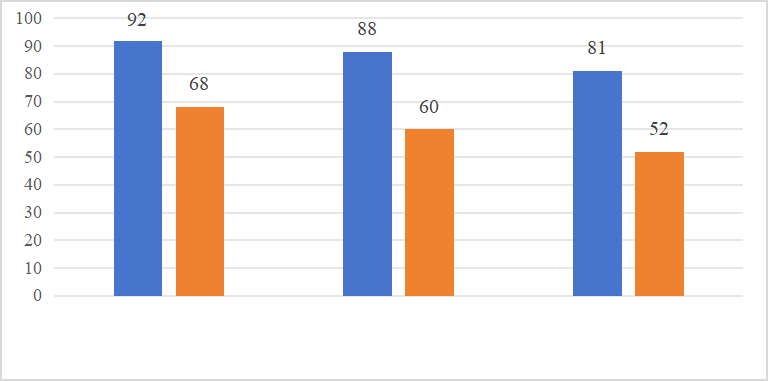
Perfectionism, particularly negative perfectionism, is often linked to psychological distress, including self-criticism, emotional suppression, and difficulties with self-acceptance. By offering a safe and creative space for expression through color, lines, and brushstrokes, painting therapy allows individuals to externalize repressed emotions and challenge rigid self-expectations. This study investigates how painting art therapy can serve as a non-verbal intervention to improve self-identity and emotional regulation among perfectionists. Through theoretical and case analysis approach, the research analyses the transformation of perfectionists' artworks, focusing on shifts from rigid, symmetrical designs to more fluid and expressive forms. These changes in artistic creation reflect emotional release and evolving self-acceptance. The findings suggest that painting art therapy facilitates emotional regulation by providing a channel for emotional release and supporting the development of a more authentic and stable self-identity. The study highlights the potential of this therapeutic method in clinical and educational settings, though it acknowledges limitations such as a small sample size and short intervention duration. Future research should explore the long-term effects of art therapy and investigate the integration of other therapeutic modalities to further enhance emotional well-being in perfectionists.
Research Article
Open Access