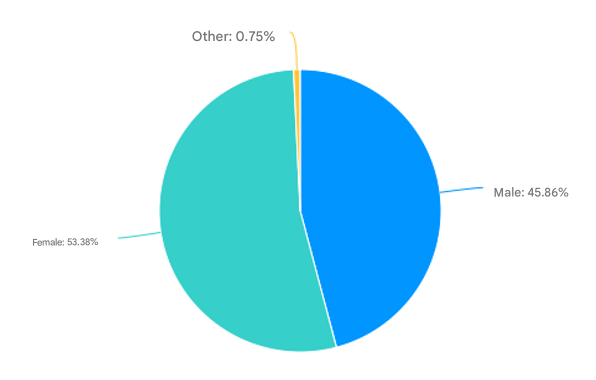
With the widespread popularity of Internet technology and mobile devices, user-generated content has become an important source of travel information. At the same time, China's huge group of college students has also formed a huge tourism consumption market. It is of great practical significance to study the impact of user-generated content on their decision-making behavior. Based on the theoretical model of information adoption, this study aims to explore how the quality of user-generated content information affects college students' travel decision-making through the intermediary path of perceived usefulness and perceived credibility. Through the analysis of the intermediary effect of 220 valid questionnaires, the study found that the quality of user-generated content information not only has a direct positive impact on tourism decision-making, but also has an indirect impact through two intermediary paths—the perceived credibility of information sources and the perceived usefulness of information. The direct effect is 0.3232, and the indirect effect reaches 0.1045, accounting for 24.43% of the total effect. The credibility of the information source is more important than the quality of the information itself, which shows that UGC has become an important information channel for college students' travel decision-making. This study extends the information adoption model to the travel decision-making situation, which provides theoretical support for understanding the specific information processing mechanism of college students. It also provides practical guidance for tourism platforms to optimize content quality and build credibility.
Research Article
Open Access