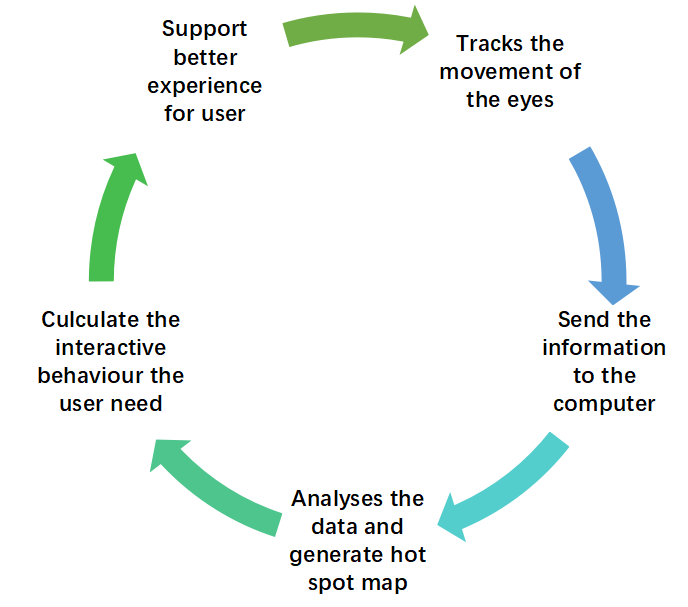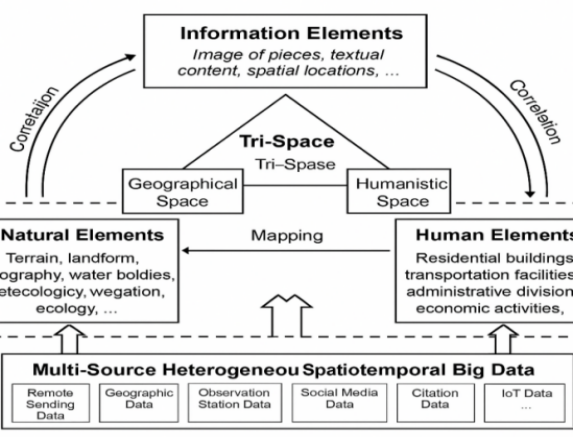
Currently, rapid innovations and the integration of artificial intelligence (AI) and computer technology are significantly transforming smart city planning.Traditional urban planning faces challenges including static design constraints, difficulty integrating large, diverse datasets, and limited public engagement. However, innovations in computer technology and AI can address these issues efficiently, scientifically, and with greater humanistic considerations. Within this context, this study examines the disruptive impacts of technological innovation on smart city planning, emphasizing the roles of virtualization technology, data governance, and human-machine collaboration in reshaping urban planning paradigms. Taking a representative smart city project as a case study, behavioral data from vulnerable groups are collected via an intelligent demand perception system to evaluate the effectiveness of human-machine collaborative technology in enhancing public participation. Consequently, while computer and human-machine collaborative technologies reconstruct planning toolchains, it remains essential to enhance the authenticity of public participation. Future research should prioritize technological ethics and governance innovation to establish a smart city development approach that integrates scientific rigor with humanistic inclusivity.